Back to Work

Game7Nation

Connecting game creators with real players, and contributors. Built to foster engagement and align the gaming community on-chain.

Game7 Nation
RoleLead Product Designer · UX · Systems & Flows · Interaction & Prototyping
ClientGame7
Duration2023 – 2025
Websitegame7.io

A community-driven on-chain gaming platform designed to align creators, players, and contributors through progression, incentives, and real participation.

I joined Game7 in early 2023 to help turn a bold idea into a living product. Not a single tool, but an ecosystem where players progress through factions, earn real rewards, and actively shape the community. Within the first few months, we shipped the MVP. From there, the work shifted toward scaling systems, refining core flows, and designing experiences that could grow alongside a rapidly expanding user base.

The Problem

Game7 was building a gaming DAO with a big ambition: create a community where gamers weren’t just spectators, but active participants, earning, progressing, and contributing over time. The challenge was that most Web3 gaming communities struggled with the same issues:

  • Onboarding felt intimidating and unclear.
  • Participation dropped quickly after first engagement.
  • Incentives existed, but didn’t translate into sustained behavior.

The risk wasn’t a lack of interest; it was losing users to complexity before value was felt.

Game7 platform overview

The Core Constraint

This wasn’t a UI problem; it was a UX and systems problem. I had to design for:

  • Web3 complexity, wallets, tokens, ownership.
  • Gamer expectations, clarity, progression, rewards.
  • Rapid growth, without breaking trust or usability.

The product needed to work for first-time users and power contributors at the same time, without overwhelming either.

Seeing the Platform as a System

Early on, it became clear that Game7 Nation couldn’t be designed as a collection of features. It needed to behave like a system. Instead of asking, “What features do we ship?” we asked, “What actions do we want to reward, and how do we keep people engaged?” That shift shaped every design decision that followed.

The Game7 Portal Flow

The Game7 Portal Flow

Reduce Cognitive Load at Onboarding

For most users, the first touchpoint wasn’t a landing page or a signup flow. It was an invite link into a Discord server, followed by a series of instructions: join specific channels, send a “GM,” complete tasks, earn XP, and prove you weren’t a bot. Only after hitting a certain threshold could users qualify as citizens, and only then were they invited to create a profile on the main web app. This created a fragile onboarding journey:

  • Drop-off at the Discord entry point.
  • Drop-off during early engagement tasks.
  • Drop-off when asking active Discord users to leave Discord and move to the platform.

The biggest risk wasn’t a lack of interest; it was losing motivated users between systems.

Game7 onboarding

Making Progress Obvious

Once users entered the platform, the bigger risk wasn’t churn; it was confusion. Game7 had many mechanics: quests, XP, streaks, skill trees, ranks. The danger was turning participation into noise. Instead of treating these as independent features, we designed them as signals in one shared language of progress:

  • XP wasn’t just a number, it told you where you stood.
  • Quests weren’t tasks, they explained what mattered next.
  • Skill trees didn’t add complexity, they gave direction.

Every interaction answered a simple question: “What did I just do, and why does it matter?”

The trade-off here was restraint. I intentionally avoided over-gamifying every action. Not everything needed fireworks. Clarity was the real reward.

Quests
Hero’s Journey
Concept art and rarity tiers

Designing for Collective Play, Not Solo Grinding

Game7 was never meant to reward isolated participation. Guilds were introduced to shift motivation from individual optimization to collective performance. Users could form teams, coordinate effort, and compete against other guilds, not just for bragging rights, but for tangible rewards.

This changed behavior immediately. Participation became social. Progress became shared. Strong guilds emerged not because of a single power user, but because consistency was rewarded across the group.

The trade-off was complexity. Designing for teams introduces coordination costs and edge cases. But the payoff was worth it: guilds created retention loops no solo mechanic could replicate.

Guilds

Rewards That Reinforce Behavior

In Game7, rewards weren’t just incentives; they were feedback. Staking, airdrops, and marketplace mechanics were designed to reinforce the same behaviors the system encouraged: participation, consistency, and contribution. Rewards scaled with engagement, not hype. Visibility mattered, users could see why someone earned more, and how to get there themselves.

Staking
Daily Spinner

DAO Governance Based on Participation, Not Tokens Holding

Most DAOs tie voting power to tokens. Game7 deliberately didn’t. The goal was to reward contribution, shifting governance from “who holds the most” to “who shows up the most.” Voting rights were earned through participation across quests, tasks, and in-game activity, reflected in a player’s level within the ecosystem. The trade-off was intentional. Token-based voting is simpler to implement and familiar to Web3 natives, but it sidelines real contributors and discourages long-term engagement. By grounding governance in gameplay and participation, decision-making became part of the Game7 experience itself, not a separate DAO interface users had to decode.

Governance

Outcome

Game7 evolved into a participation-first ecosystem where progression, rewards, and governance reinforced each other, enabling the platform to scale from early contributors to a 1.5 million-player community without fragmenting the experience.

Mobile Wasn’t Optional

Participation in Game7 didn’t happen at a desk. Quests, streaks, guild actions, and rewards needed to work in short, repeatable moments: commuting, waiting, checking in. Designing mobile-first wasn’t about parity; it was about protecting engagement.

Game7 mobile screens

The quest engine became the screen users opened first, not the dashboard.

1.5M+
Registered users on the platform at peak.
4.2×
Weekly active quest completions vs. the pre-redesign baseline.
71%
New users finished onboarding. The old flow sat at 38%.
12k+
Guilds created in the first three months.

The bet was that complexity, not lack of incentive, was killing momentum. Treating quests, staking, and governance as one connected loop turned the platform from a dashboard into a place people came back to.
Next reads

All projects
Aistake Finance

Aistake Finance

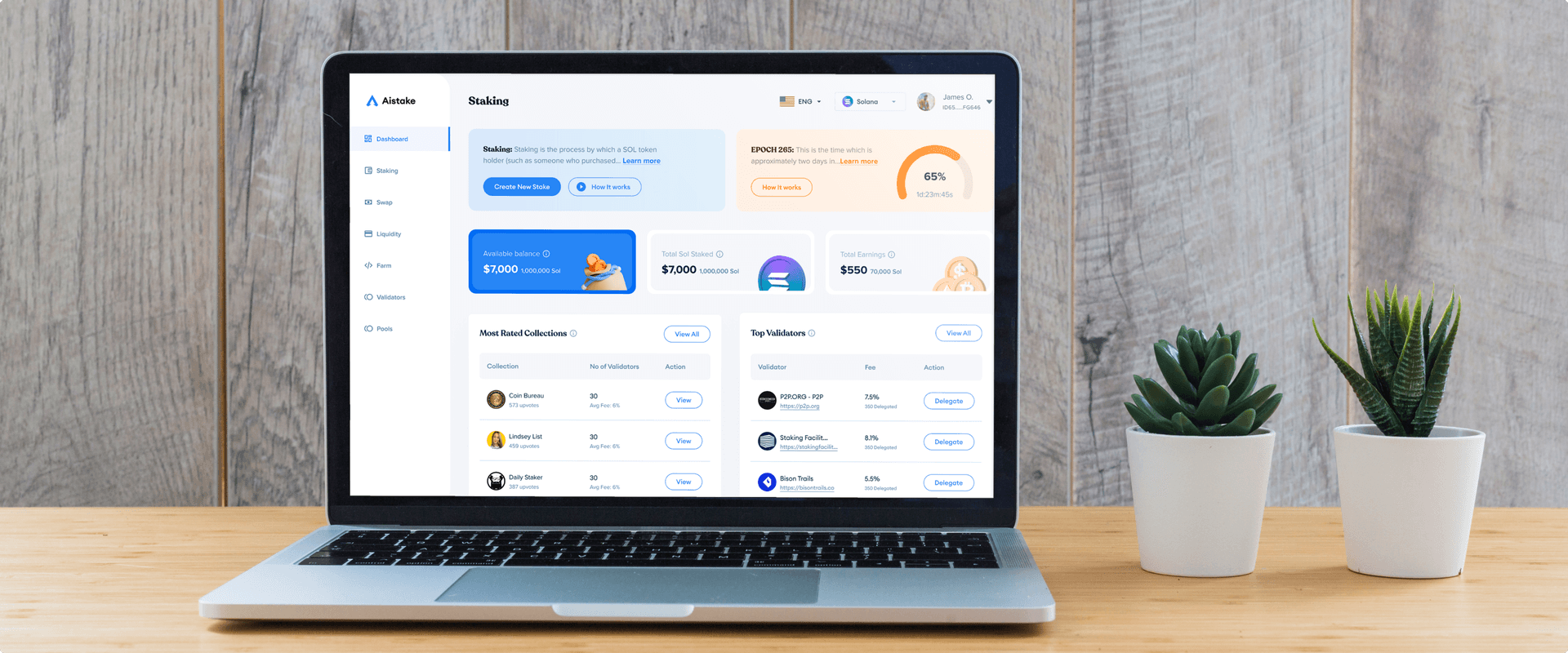
A multi-validator staking protocol on the Solana network designed to maximize capital efficiency and community-driven delegation.

Powr Finance

Powr Finance

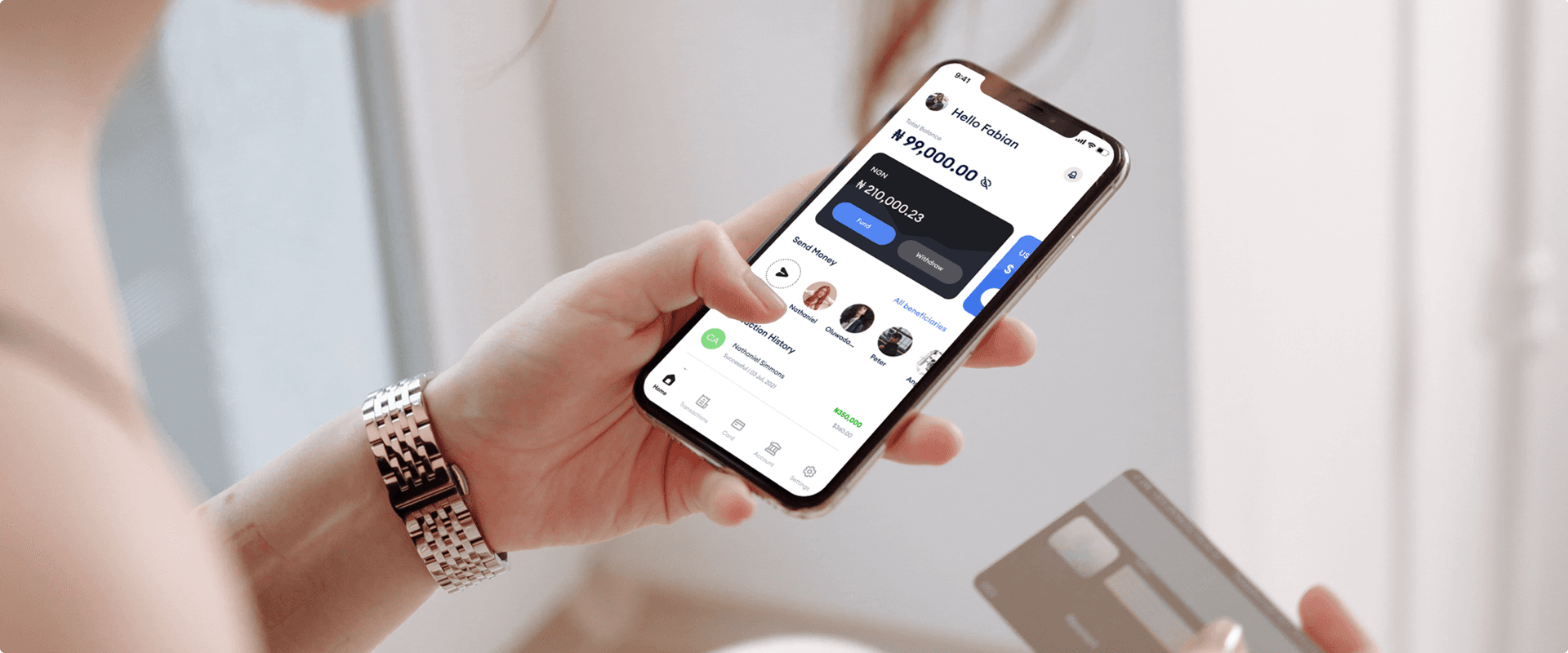
Designing a unified financial gateway for seamless intercontinental transactions and crypto settlements.

All ProjectsAbout Me